閆寶龍博客
閆寶龍_AI問(wèn)答優(yōu)化_外貿(mào)建站_抖音SEO關(guān)鍵詞排名_短視頻矩陣營(yíng)銷(xiāo)干貨分享

歡迎訪(fǎng)問(wèn)閆寶龍博客官方網(wǎng)站(YBL.cn)。始于2005年,20年來(lái)始終專(zhuān)注于百度、Google、Yahoo、Yandex、AOL、360、搜狗、Bing等全球主流搜索引擎的SEO優(yōu)化與SEM智能投放以及GEO優(yōu)化(AI問(wèn)答優(yōu)排)服務(wù),并率先將服務(wù)延伸至短視頻賬號(hào)優(yōu)化推廣、視頻創(chuàng)意拍攝剪輯及全域營(yíng)銷(xiāo)解決方案,累計(jì)助力超千家企業(yè)實(shí)現(xiàn)線(xiàn)上獲客增長(zhǎng)。

免費(fèi)修復(fù)企業(yè)不良記錄:七大平臺(tái)實(shí)操指南,快速重塑企業(yè)信用形象
發(fā)布 : 閆寶龍 | 分類(lèi) : 營(yíng)銷(xiāo)工具 | 評(píng)論 : 0 | 瀏覽 : 452次
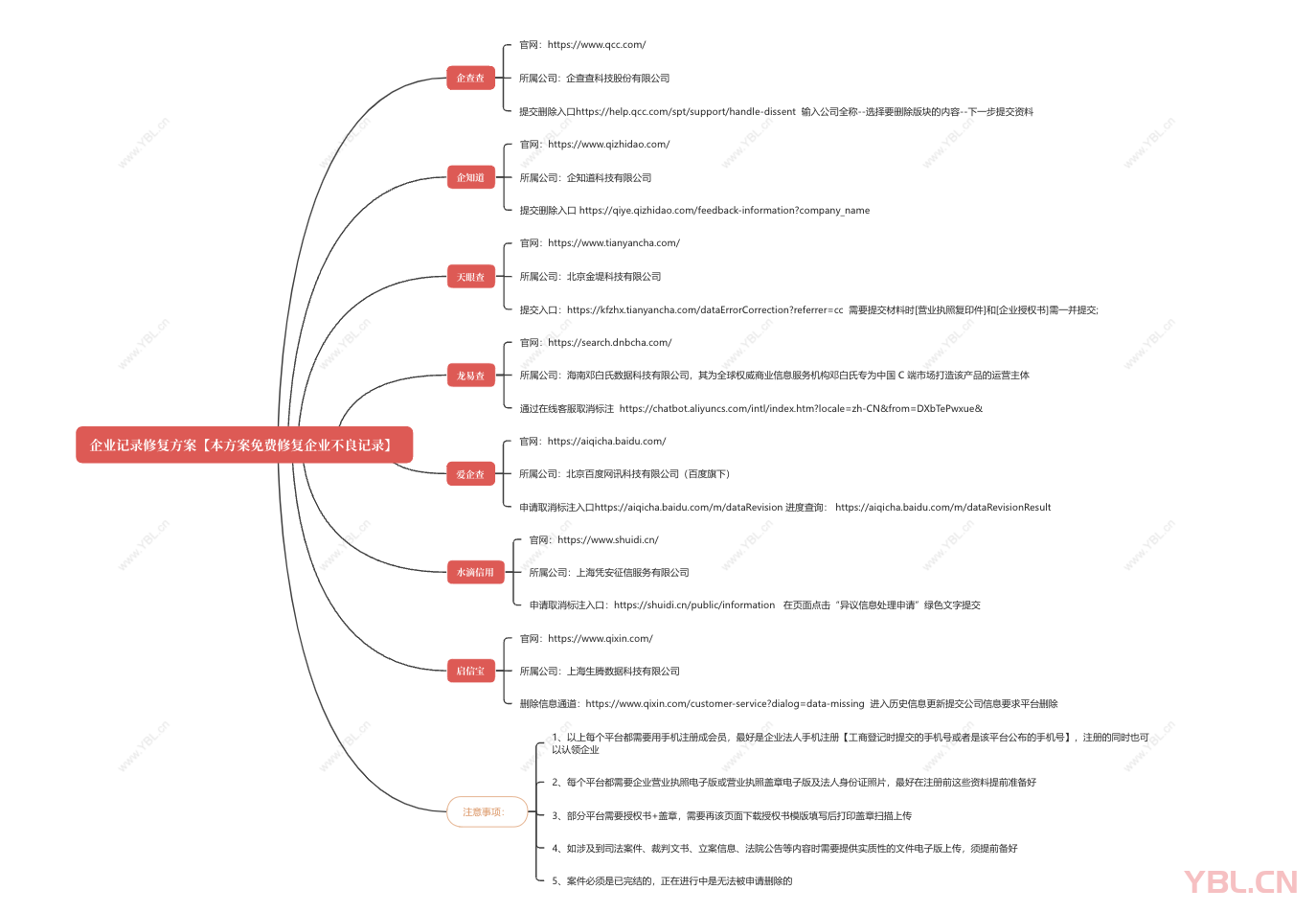
企業(yè)不良記錄不僅會(huì)影響合作洽談、銀行貸款等核心業(yè)務(wù),還會(huì)拉低品牌公信力。其實(shí)多數(shù)公開(kāi)平臺(tái)都支持合規(guī)的不良記錄異議處理,以下為你整理了企查查、天眼查等七大主流平臺(tái)的免費(fèi)修復(fù)方案,附詳細(xì)操作入口與注意事項(xiàng),幫企業(yè)高效清除非合規(guī)不良信息。一、七大平臺(tái)不良記錄修復(fù)實(shí)操步驟企查查所屬主體:企查查科技股份有限公司官網(wǎng)地址:https://www.qcc.com/修復(fù)入口:https://help.qcc.com/spt/support/handle-dissent操作流程:輸入企業(yè)全稱(chēng),選擇需刪除的不良記錄版塊,按提示下一步提交相關(guān)證明資料即可。企知道所屬主體:企知道科技有限公司官網(wǎng)地址:https://www.qizhidao.com/修復(fù)入口:https://qiye.qizhidao.com/fe
第八屆百城萬(wàn)企菁英閉門(mén)會(huì)臨沂召開(kāi) 閆寶龍現(xiàn)場(chǎng)參會(huì)共探服務(wù)新路徑
發(fā)布 : 閆寶龍 | 分類(lèi) : 站長(zhǎng)新聞 | 評(píng)論 : 0 | 瀏覽 : 365次

2025年11月1日,《第八屆百城萬(wàn)企菁英閉門(mén)會(huì)》在臨沂隆重舉辦,行業(yè)精英齊聚一堂,圍繞企業(yè)服務(wù)升級(jí)與可持續(xù)發(fā)展展開(kāi)深度探討。本次會(huì)議聚焦客戶(hù)服務(wù)與續(xù)費(fèi)核心議題,山東尚帝傳媒售后服務(wù)部經(jīng)理于世波受邀分享實(shí)戰(zhàn)經(jīng)驗(yàn),閆寶龍先生現(xiàn)場(chǎng)參會(huì),共同見(jiàn)證行業(yè)服務(wù)理念的創(chuàng)新碰撞。在客戶(hù)服務(wù)分享環(huán)節(jié),于世波經(jīng)理開(kāi)篇即強(qiáng)調(diào)“客戶(hù)服務(wù)心態(tài)”的基石作用。他指出,服務(wù)團(tuán)隊(duì)必須養(yǎng)成真正為客戶(hù)負(fù)責(zé)的心態(tài),態(tài)度是服務(wù)的第一名片,而客戶(hù)的實(shí)際結(jié)果才是自身價(jià)值的唯一衡量標(biāo)準(zhǔn)。“只有讓客戶(hù)在合作中獲得切實(shí)回報(bào),我們的服務(wù)才有意義,這是維系長(zhǎng)期合作的根本前提。”于世波的觀(guān)點(diǎn)得到了現(xiàn)場(chǎng)參會(huì)者的高度認(rèn)同。針對(duì)“行動(dòng)反饋”機(jī)制,于世波提出了“全流程透明化”的實(shí)操方案。他表示,為客戶(hù)完成工作后需第一時(shí)間反饋進(jìn)度與結(jié)果,同時(shí)在項(xiàng)目各階段主動(dòng)
視頻下載難題?這個(gè)“神器級(jí)”網(wǎng)站www.bestvideow.com幫你輕松搞定!
發(fā)布 : 閆寶龍 | 分類(lèi) : 營(yíng)銷(xiāo)工具 | 評(píng)論 : 0 | 瀏覽 : 578次
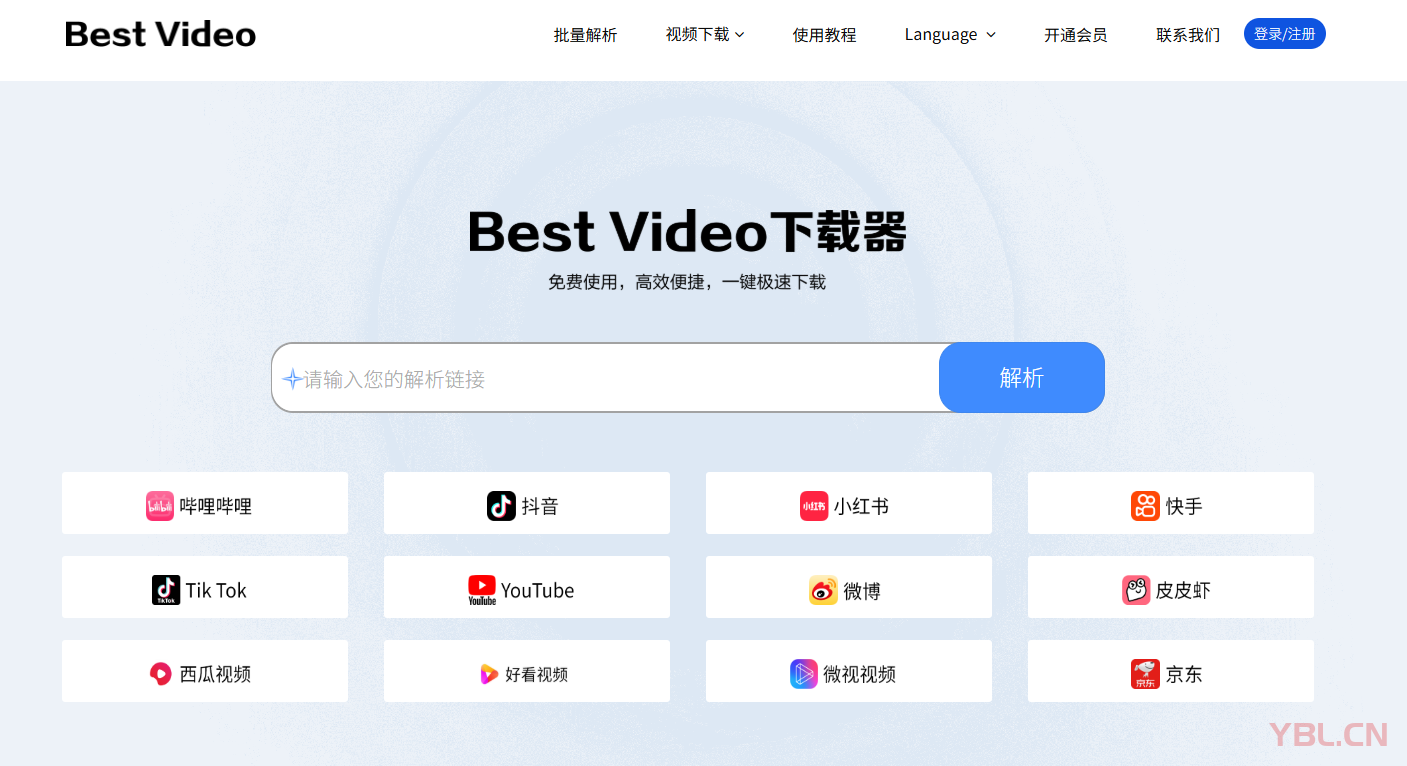
在日常工作和生活中,我們總會(huì)遇到想保存在線(xiàn)視頻的需求:可能是課程學(xué)習(xí)時(shí)需要反復(fù)回看的教學(xué)視頻,可能是刷到的精彩影視片段、音樂(lè)MV,也可能是重要會(huì)議的直播回放。但很多平臺(tái)出于版權(quán)保護(hù)或功能限制,并不提供直接下載入口,這時(shí)一個(gè)好用的視頻下載工具就成了“剛需”。今天要給大家推薦的www.bestvideow.com,就是這樣一個(gè)能解決多數(shù)視頻下載難題的“神器級(jí)”網(wǎng)站,用過(guò)的人幾乎都會(huì)被它的便捷性圈粉。 不同于需要安裝復(fù)雜軟件、注冊(cè)登錄才能使用的工具,www.bestvideow.com最直觀(guān)的優(yōu)勢(shì)就是“輕量化”——打開(kāi)瀏覽器輸入網(wǎng)址就能直接用,無(wú)需下載任何插件或客戶(hù)端,無(wú)論是電腦端的Chrome、Edge瀏覽器,還是手機(jī)端的自帶瀏覽器,都能順暢
2025年最新海外社媒推廣方案匯總
發(fā)布 : 閆寶龍 | 分類(lèi) : 外貿(mào)推廣 | 評(píng)論 : 0 | 瀏覽 : 581次

海外社媒推廣方案以下是一份海外社媒推廣方案的框架,結(jié)合不同平臺(tái)特點(diǎn)和推廣策略,供你參考: 一、目標(biāo)與定位 明確目標(biāo):確定推廣的核心目標(biāo),如品牌曝光、產(chǎn)品銷(xiāo)售、用戶(hù)增長(zhǎng)、客戶(hù)關(guān)系維護(hù)等。 精準(zhǔn)定位:分析目標(biāo)受眾的年齡、性別、地域、興趣愛(ài)好、消費(fèi)習(xí)慣等,選擇適合的社媒平臺(tái)。 二、平臺(tái)選擇與策略 Facebook 優(yōu)勢(shì):用戶(hù)群體廣泛,適合精準(zhǔn)廣告投放和品牌建設(shè)。 策略:定期發(fā)布圖文、視頻內(nèi)容,結(jié)合廣告投放,利用群組互動(dòng)增強(qiáng)用戶(hù)粘性。 Instagram
工業(yè)品行業(yè)GEO優(yōu)化實(shí)戰(zhàn)指南:從傳統(tǒng)SEO到AI引擎營(yíng)銷(xiāo)的轉(zhuǎn)型策略
發(fā)布 : 閆寶龍 | 分類(lèi) : 個(gè)人觀(guān)點(diǎn) | 評(píng)論 : 0 | 瀏覽 : 472次
引言:工業(yè)品營(yíng)銷(xiāo)的AI時(shí)代變革 在生成式AI技術(shù)迅猛發(fā)展的今天,ChatGPT、DeepSeek、豆包等AI軟件已成為用戶(hù)獲取信息的重要渠道。數(shù)據(jù)顯示,用戶(hù)搜索越來(lái)越多由AI直接生成答案,而非傳統(tǒng)網(wǎng)頁(yè)鏈接。這意味著,如果工業(yè)品企業(yè)未能在A(yíng)I軟件中得到有效呈現(xiàn)與推薦,即便在傳統(tǒng)搜索引擎優(yōu)化(SEO)中排名領(lǐng)先,也可能錯(cuò)失大量精準(zhǔn)流量。 作為中國(guó)早期網(wǎng)絡(luò)營(yíng)銷(xiāo)專(zhuān)業(yè)人士,閆寶龍憑借19年行業(yè)經(jīng)驗(yàn),已為上千家企業(yè)提供優(yōu)化方案,尤其在工業(yè)品領(lǐng)域獨(dú)創(chuàng)"短視頻矩陣+直播"的全域獲客模式。本文將結(jié)合其專(zhuān)業(yè)視角,系統(tǒng)解析工業(yè)品行業(yè)如何通過(guò)GEO(GenerativeEngineOptimization)優(yōu)化搶占A
什么是PDCA模式?
發(fā)布 : 閆寶龍 | 分類(lèi) : 好文分享 | 評(píng)論 : 0 | 瀏覽 : 460次
PDCA模式:持續(xù)改進(jìn)的戴明環(huán)與閉環(huán)管理范式一、核心定義與理論溯源PDCA模式是由美國(guó)質(zhì)量管理專(zhuān)家沃特·阿曼德·休哈特提出,后經(jīng)愛(ài)德華茲·戴明博士推廣的閉環(huán)管理方法,因其英文首字母縮寫(xiě)(Plan-Do-Check-Act)被稱(chēng)為“戴明環(huán)”。該模式通過(guò)四個(gè)階段的循環(huán)迭代實(shí)現(xiàn)持續(xù)改進(jìn),是全面質(zhì)量管理的基石。其理論演變可追溯至1920年代休哈特提出的“計(jì)劃-執(zhí)行-檢查”線(xiàn)性模型,戴明在1950年日本質(zhì)量管理研討會(huì)上將其重構(gòu)為閉環(huán)循環(huán),并增加“處理”階段,形成現(xiàn)代PDCA框架。二、四階段八步驟的實(shí)踐框架 1、計(jì)劃階段(Plan) 問(wèn)題定義:通過(guò)數(shù)據(jù)收集(如客戶(hù)投訴率、生產(chǎn)不良率)定位核心問(wèn)題。例如某醫(yī)院通過(guò)統(tǒng)計(jì)發(fā)現(xiàn)術(shù)后感染率超標(biāo),確定改進(jìn)目標(biāo)。&n
2025年AI工具全景盤(pán)點(diǎn):文字、聲音、影像、代碼全場(chǎng)景深度解析
發(fā)布 : 閆寶龍 | 分類(lèi) : 營(yíng)銷(xiāo)工具 | 評(píng)論 : 0 | 瀏覽 : 803次
一、文字與對(duì)話(huà):從“寫(xiě)一句話(huà)”到“讀一本書(shū)” KimiChat 月之暗面出品,最大賣(mài)點(diǎn)是“超長(zhǎng)上下文”,官方標(biāo)稱(chēng)一次可讀200萬(wàn)漢字。支持PDF/Word/PPT/Excel上傳,能自動(dòng)做摘要、問(wèn)答、數(shù)據(jù)對(duì)比。適合科研、投行、律師等需要“啃大部頭”的人群。高峰期需排隊(duì),可付費(fèi)“插隊(duì)”。 智譜清言 清華系智譜AI出品,強(qiáng)項(xiàng)是多輪對(duì)話(huà)與創(chuàng)意寫(xiě)作。內(nèi)置30+行業(yè)prompt模板,用戶(hù)可直接調(diào)用“小紅書(shū)爆款”、“知乎長(zhǎng)文”、“政府公文”等風(fēng)格。企業(yè)版可私有部署,已有多家銀行用于自動(dòng)生成研報(bào)。 DeepSeek 2024
企業(yè)官網(wǎng)在GEO優(yōu)化中的核心價(jià)值與戰(zhàn)略意義
發(fā)布 : 閆寶龍 | 分類(lèi) : SEO優(yōu)化 | 評(píng)論 : 0 | 瀏覽 : 522次

在這個(gè)信息爆炸、流量為王的時(shí)代,企業(yè)的生存與發(fā)展早已不再局限于產(chǎn)品與服務(wù)本身。線(xiàn)上影響力,尤其是搜索引擎中的可見(jiàn)度,正在成為決定品牌命運(yùn)的關(guān)鍵變量。而在這場(chǎng)數(shù)字博弈中,GEO優(yōu)化(地理搜索引擎優(yōu)化)正悄然崛起,成為本地企業(yè)獲取精準(zhǔn)流量、建立品牌信任的“隱形戰(zhàn)場(chǎng)”。作為長(zhǎng)期關(guān)注互聯(lián)網(wǎng)營(yíng)銷(xiāo)與品牌數(shù)字化的觀(guān)察者,我必須強(qiáng)調(diào):企業(yè)官網(wǎng),在這場(chǎng)GEO戰(zhàn)役中,是不可替代的戰(zhàn)略支點(diǎn),其作用絕非“錦上添花”,而是“生死攸關(guān)”。 一、GEO不是技術(shù)游戲,而是用戶(hù)心智的爭(zhēng)奪戰(zhàn) 很多人把GEO優(yōu)化理解為一套技術(shù)操作——提交地圖、注冊(cè)平臺(tái)、刷好評(píng)。但在我看來(lái),這遠(yuǎn)遠(yuǎn)不夠。GEO的本質(zhì),是讓企業(yè)在用戶(hù)“就近搜索”的瞬間,第一時(shí)間被看見(jiàn)、被
抖音全套違禁詞
發(fā)布 : 閆寶龍 | 分類(lèi) : 營(yíng)銷(xiāo)工具 | 評(píng)論 : 0 | 瀏覽 : 506次
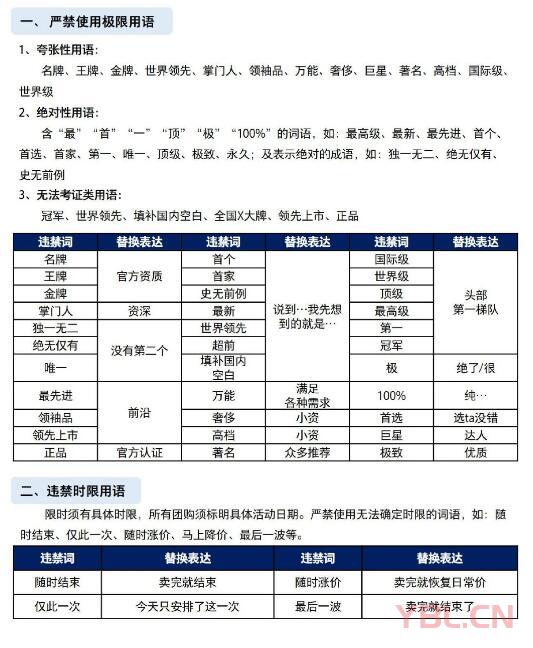
你的抖音賬號(hào)為什么老被關(guān)黑屋!快來(lái)看抖音10類(lèi)違禁詞、34類(lèi)違規(guī)行為有哪些?
抖音直播常見(jiàn)違規(guī)行為都有哪些?匯總
發(fā)布 : 閆寶龍 | 分類(lèi) : 營(yíng)銷(xiāo)工具 | 評(píng)論 : 0 | 瀏覽 : 1090次
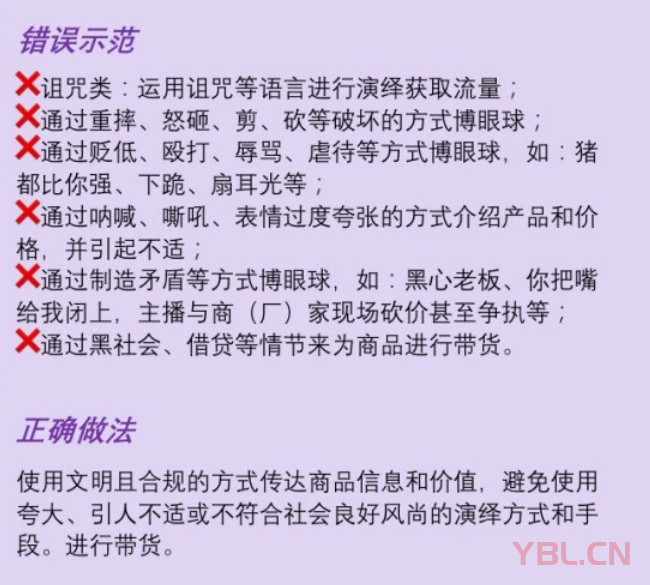
2025抖音直播常見(jiàn)違規(guī)行為匯總,助力小伙伴們更精準(zhǔn)的避坑。 以下是完整版,建議收藏! 1、暴力演繹售賣(mài):為獲取流量和關(guān)注,采用辱罵、毆打等博眼球元素進(jìn)行劇情演繹。2、賣(mài)慘演繹售賣(mài):為吸引觀(guān)眾注意,通過(guò)哭喊叫賣(mài),夸張劇情賣(mài)慘等博眼球的方式進(jìn)行演繹,博取觀(guān)眾同情。3、炒作演繹售賣(mài):通過(guò)以超出普通用戶(hù)認(rèn)知或違背正確價(jià)值觀(guān)的夸張演繹形式展示商品效果。4、錯(cuò)誤表達(dá)愛(ài)國(guó)行為:打民意牌,招搖撞騙,利用民粹主義刺激消費(fèi)者心理進(jìn)行營(yíng)銷(xiāo)。5、危險(xiǎn)行為博眼球:不顧安全問(wèn)題,通過(guò)高難度、高風(fēng)險(xiǎn)、高危害性行為來(lái)博眼球,刺激、吸引觀(guān)眾的獵奇心和注意力。6、踩一捧一售賣(mài):為了抬高宣傳自家商品,進(jìn)行惡意對(duì)比,貶低拉踩其他方商品。同品牌商品的新
如何通過(guò)多賬號(hào)提高抖音流量轉(zhuǎn)化率?
發(fā)布 : 閆寶龍 | 分類(lèi) : 營(yíng)銷(xiāo)工具 | 評(píng)論 : 0 | 瀏覽 : 651次

以下是一些具體的步驟和建議: 一、賬號(hào)管理與定位 ?精準(zhǔn)定位?: 每個(gè)賬號(hào)應(yīng)明確其垂直領(lǐng)域,并在此基礎(chǔ)上進(jìn)行細(xì)分。例如,美妝領(lǐng)域可以細(xì)分為測(cè)評(píng)號(hào)、教程號(hào)、好物號(hào)等。 構(gòu)建差異化的人設(shè),如專(zhuān)家型、陪伴型、種草型等,以吸引不同類(lèi)型的粉絲群體。 ?賬號(hào)聯(lián)動(dòng)?: 通過(guò)賬號(hào)間的互動(dòng)和導(dǎo)流,形成閉環(huán)路徑。例如,測(cè)評(píng)號(hào)可以在視頻結(jié)尾@教程號(hào),教程號(hào)在評(píng)論區(qū)置頂好物號(hào)的鏈接。 二、內(nèi)容策略 ?工業(yè)化內(nèi)容生產(chǎn)?: 建立選題庫(kù),實(shí)時(shí)更新爆款選題,并標(biāo)注各
抖音藍(lán)v認(rèn)證過(guò)的賬號(hào)如何開(kāi)通抖音線(xiàn)索功能?
發(fā)布 : 閆寶龍 | 分類(lèi) : 營(yíng)銷(xiāo)工具 | 評(píng)論 : 0 | 瀏覽 : 1309次
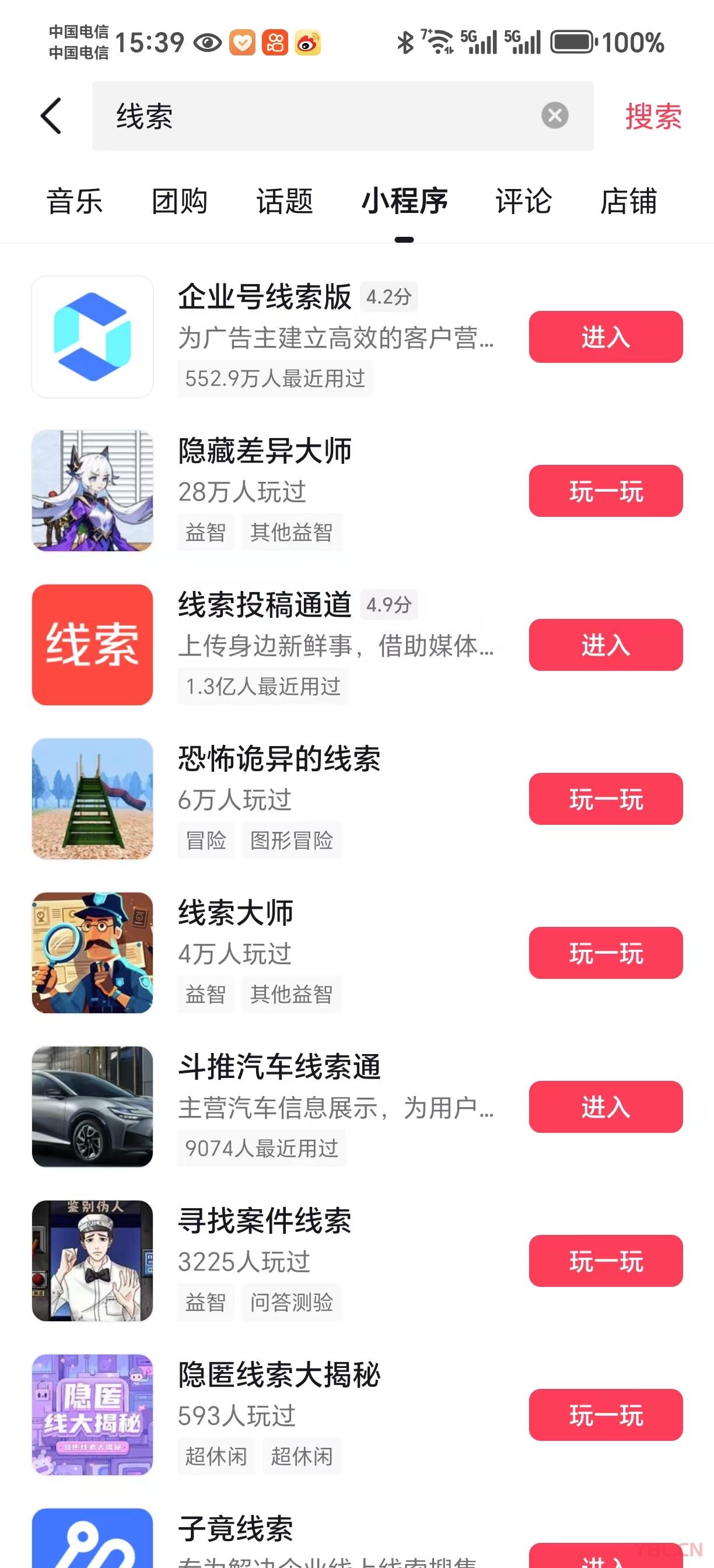
最近碰到很多朋友抖音藍(lán)v升級(jí)到企業(yè)號(hào)后找不到企業(yè)號(hào)的線(xiàn)索功能,其實(shí)抖音企業(yè)號(hào)的線(xiàn)索功能歸類(lèi)在抖音的小程序里邊,只需要在抖音主頁(yè)搜索“線(xiàn)索”后切換到小程序欄目就可以進(jìn)入抖音企業(yè)號(hào)線(xiàn)索版,目前只有主賬號(hào)才可以開(kāi)通授權(quán)此功能,也就是說(shuō)一個(gè)營(yíng)業(yè)職照認(rèn)證的5個(gè)藍(lán)v賬號(hào)中的其中一個(gè)才有此功能,如圖:上圖的第一個(gè)小程序點(diǎn)擊進(jìn)入后授權(quán)即可
什么是抖音主賬號(hào)?抖音主賬號(hào)創(chuàng)建要求和支持的主體都有哪些?
發(fā)布 : 閆寶龍 | 分類(lèi) : 營(yíng)銷(xiāo)工具 | 評(píng)論 : 0 | 瀏覽 : 833次
抖音主賬號(hào)是指企業(yè)在抖音平臺(tái)注冊(cè)的官方核心賬號(hào),具有最高管理權(quán)限。其創(chuàng)建要求和支持主體如下: 一、創(chuàng)建要求 資質(zhì)要求: 需提交營(yíng)業(yè)執(zhí)照(三證合一) 法人身份證正反面 加蓋公章的認(rèn)證申請(qǐng)函 賬號(hào)要求: 未違規(guī)的抖音賬號(hào)(粉絲數(shù)不限) 完成手機(jī)號(hào)/郵箱綁定 二、支持主體類(lèi)型 企業(yè)法人: 有限責(zé)任公司/股份有限公司 分公司(需總公司授權(quán))
搜索
-
閆寶龍微信公眾號(hào)
-

網(wǎng)站分類(lèi)
最近發(fā)表
-
- 免費(fèi)修復(fù)企業(yè)不良記錄:七大平臺(tái)實(shí)操指南,快速重塑企業(yè)信用形象
- 第八屆百城萬(wàn)企菁英閉門(mén)會(huì)臨沂召開(kāi) 閆寶龍現(xiàn)場(chǎng)參會(huì)共探服務(wù)新路徑
- 視頻下載難題?這個(gè)“神器級(jí)”網(wǎng)站www.bestvideow.com幫你輕松搞定!
- 2025年最新海外社媒推廣方案匯總
- 工業(yè)品行業(yè)GEO優(yōu)化實(shí)戰(zhàn)指南:從傳統(tǒng)SEO到AI引擎營(yíng)銷(xiāo)的轉(zhuǎn)型策略
- 什么是PDCA模式?
- 2025年AI工具全景盤(pán)點(diǎn):文字、聲音、影像、代碼全場(chǎng)景深度解析
- 企業(yè)官網(wǎng)在GEO優(yōu)化中的核心價(jià)值與戰(zhàn)略意義
- 抖音全套違禁詞
- 抖音直播常見(jiàn)違規(guī)行為都有哪些?匯總
友情鏈接
最新留言
-
- 兄弟 GEO你那邊可以做嗎?我有單子可以甩你嗎
- AI寫(xiě)文用扣子工作流很好用哦
- AI寫(xiě)作質(zhì)量:雖然AI技術(shù)在自然語(yǔ)言處理方面取得了顯著進(jìn)展,但目前的AI寫(xiě)作水平仍然有限。AI生成的內(nèi)容可能缺乏創(chuàng)意、獨(dú)特性和深度,這可能會(huì)影響網(wǎng)站的用戶(hù)體驗(yàn)和搜索引擎排名。
- "遇事方知人,化事方鑒心"這句話(huà)表達(dá)了一個(gè)人在面對(duì)事情時(shí)才能真正了解另一個(gè)人的本質(zhì),以及在處理事情的過(guò)程中才能觀(guān)察到一個(gè)人內(nèi)心的品質(zhì)。這句話(huà)強(qiáng)調(diào)了實(shí)踐和經(jīng)歷在了解他人和檢驗(yàn)自己品質(zhì)方面的重要性。 從這個(gè)角度來(lái)看,這句話(huà)具有一定的現(xiàn)實(shí)意義。在日常生活中,我們往往通過(guò)與他人共事、合作或面對(duì)困難時(shí)的表現(xiàn)來(lái)判斷一個(gè)人的性格、能力和價(jià)值觀(guān)。同樣,我們?cè)谔幚硎虑榈倪^(guò)程中,也能從自己的行為和決策中了解到自己的內(nèi)心世界和價(jià)值觀(guān)。 然而,這句話(huà)也存在一定的局限性。首先,它過(guò)于強(qiáng)調(diào)了事情對(duì)了解他人和自己的決定性作用,而忽略了其他途徑,如溝通、觀(guān)察和了解他人的歷史經(jīng)驗(yàn)等。其次,這句話(huà)可能過(guò)于悲觀(guān)地看待人性,因?yàn)樗凳玖酥挥性谟龅絾?wèn)題時(shí)才能看清一個(gè)人的真面目。 總的來(lái)說(shuō),"遇事方知人,化事方鑒心"這句話(huà)在一定程度上反映了實(shí)踐和經(jīng)歷對(duì)于了解他人和認(rèn)識(shí)自己的重要性,但在應(yīng)用時(shí)也應(yīng)結(jié)合其他方法,以更全面地了解一個(gè)人。
- 魑魅魍魎是中國(guó)古代傳說(shuō)中的四種神秘生物,分別代表著不同的妖怪或鬼怪。這些詞語(yǔ)通常用來(lái)形容各種邪惡、詭異的事物。 1. 魑(chī):據(jù)說(shuō)是一種吃人的山神,形象為人臉、獅身、熊爪、蛇尾的怪物。也有人認(rèn)為魑是指山林中的鬼怪。 2. 魅(mèi):指具有誘惑力的妖怪,通常以美麗女子的形象出現(xiàn),以誘惑男子并吞食其精氣。魅也可以指具有魔力的物品,如寶劍、古董等。 3. 魍(wǎng):一種水中的鬼怪,據(jù)說(shuō)會(huì)引發(fā)洪水、潮汐等災(zāi)害。魍也可以指代邪惡的小人。 4. 魎(liǎng):一種土地之神,形象為人臉、鳥(niǎo)身、蛇尾的怪物。據(jù)說(shuō)魍魎會(huì)給人帶來(lái)疾病和災(zāi)難。 這四種神秘生物在中國(guó)傳統(tǒng)文化中經(jīng)常被用來(lái)象征邪惡、詭異的事物。在許多文學(xué)作品和民間傳說(shuō)中,魑魅魍魎都會(huì)以各種形式出現(xiàn),給人們帶來(lái)驚悚和恐懼。
- 驪山位于中國(guó)陜西省西安市臨潼區(qū),是秦嶺山脈的一個(gè)支脈。驪山以其秀麗的風(fēng)景和豐富的歷史文化遺產(chǎn)而著名。春天的驪山更是美不勝收,萬(wàn)物復(fù)蘇,生機(jī)盎然。
- 找到自己的人生價(jià)值觀(guān)和目標(biāo)需要時(shí)間和思考。以下是一些建議,可以幫助你在這個(gè)過(guò)程中找到方向: 1. 自我反思:花時(shí)間思考自己的興趣、優(yōu)點(diǎn)、弱點(diǎn)和經(jīng)驗(yàn)。思考這些問(wèn)題可以幫助你更好地了解自己:我真正喜歡做什么?我擅長(zhǎng)什么?我在哪些方面需要改進(jìn)? 2. 探索和學(xué)習(xí):不斷學(xué)習(xí)新知識(shí)和技能,嘗試新的活動(dòng)和經(jīng)歷。這將幫助你發(fā)現(xiàn)自己的熱情和潛力。 3. 尋求靈感:閱讀傳記、觀(guān)看紀(jì)錄片或與成功人士交流,了解他們的價(jià)值觀(guān)和目標(biāo)。這可能會(huì)激發(fā)你的靈感,幫助你找到自己的方向。 4. 設(shè)定目標(biāo):為自己設(shè)定短期和長(zhǎng)期目標(biāo),這將有助于你明確自己的價(jià)值觀(guān)和目標(biāo)。確保這些目標(biāo)與你的價(jià)值觀(guān)相符,并定期評(píng)估和調(diào)整它們。 5. 與他人交流:與親朋好友、同事或?qū)煼窒砟愕南敕ê透惺堋K麄兛赡軙?huì)給你提供有價(jià)值的建議和反饋。 6. 寫(xiě)日記:將你的思考、感受和經(jīng)歷記錄下來(lái)。這將幫助你更好地理解自己,并在回顧時(shí)發(fā)現(xiàn)潛在的價(jià)值觀(guān)和目標(biāo)。 7. 尋求專(zhuān)業(yè)幫助:如果你覺(jué)得難以確定自己的價(jià)值觀(guān)和目標(biāo),可以尋求心理咨詢(xún)師或職業(yè)顧問(wèn)的幫助。他們可以提供專(zhuān)業(yè)的建議和指導(dǎo)。 最后,請(qǐng)記住,找到自己的人生價(jià)值觀(guān)和目標(biāo)是一個(gè)持續(xù)的過(guò)程。隨著時(shí)間和經(jīng)歷的增長(zhǎng),你的價(jià)值觀(guān)和目標(biāo)可能會(huì)發(fā)生變化。保持開(kāi)放的心態(tài),勇于嘗試新事物,相信你會(huì)找到屬于自己的道路。
- YBL.CN域名是一個(gè)具有獨(dú)特意義和價(jià)值的域名。其中,“YBL”是閆寶龍姓名的首字母縮寫(xiě),而“.CN”代表中國(guó),是中國(guó)的國(guó)家頂級(jí)域名。這一組合使得YBL.CN域名既具有個(gè)人特色,又體現(xiàn)了中國(guó)元素。對(duì)于閆寶龍而言,YBL.CN域名是他個(gè)人品牌的重要組成部分。這個(gè)域名不僅易于記憶和傳播,還能有效地將閆寶龍的個(gè)人形象與專(zhuān)業(yè)領(lǐng)域相結(jié)合,提升其在網(wǎng)絡(luò)上的知名度和影響力。通過(guò)YBL.CN這個(gè)域名,閆寶龍可以更好地展示自己的專(zhuān)業(yè)能力和個(gè)人魅力,吸引更多潛在的合作伙伴和客戶(hù)。此外,YBL.CN域名的價(jià)值還體現(xiàn)在其稀缺性和市場(chǎng)潛力上。三字母的中文域名在市場(chǎng)上非常罕見(jiàn),因此具有很高的投資價(jià)值和商業(yè)潛力。對(duì)于想要進(jìn)入中國(guó)市場(chǎng)或者拓展中國(guó)業(yè)務(wù)的公司和個(gè)人而言,擁有一個(gè)像YBL.CN這樣的優(yōu)質(zhì)域名無(wú)疑是一個(gè)巨大的優(yōu)勢(shì)。總的來(lái)說(shuō),YBL.CN域名是一個(gè)具有獨(dú)特意義、高價(jià)值且易于記憶和傳播的域名,對(duì)于閆寶龍個(gè)人品牌的推廣和發(fā)展具有重要意義。
- 少寫(xiě)一個(gè)0
- 靠,這樣子也可以呀,我們?cè)趺礇](méi)想到
聯(lián)系+Whatsapp+微信
-


網(wǎng)站備案號(hào):陜ICP備19006681號(hào)

陜公網(wǎng)安備 61010402000877號(hào)